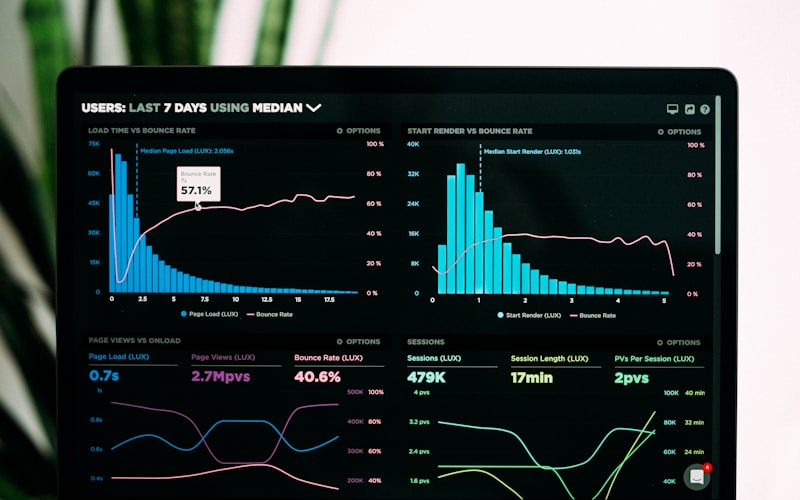
The average med spa website converts between one and three percent of visitors into leads. That means for every 100 people who land on your site, 97 leave without taking any action. Even a modest improvement in conversion rate, say from two percent to four percent, doubles your lead volume without spending a single additional dollar on advertising. Conversion rate optimization is the highest-leverage activity most med spas are completely ignoring.
The first principle of conversion optimization is reducing friction at every step. Your booking process should require as few clicks as possible. If a patient has to navigate from your homepage to a services page, then to a specific treatment page, then to a separate booking page, and then fill out a ten-field form, you are losing people at each stage. The best-performing med spa websites embed booking widgets directly on treatment pages and include a persistent call-to-action that follows the user as they scroll. We consistently see a 20 to 40 percent increase in bookings when practices move from a multi-step funnel to a streamlined, single-page booking experience.
Social proof is the second conversion lever. Prospective patients need to see evidence that others have had positive experiences before they commit. This goes beyond a testimonials page that no one visits. The most effective approach is to embed Google reviews, before-and-after galleries, and video testimonials throughout the site, especially on treatment pages and near booking CTAs. When a visitor is reading about Botox and sees a carousel of five-star reviews from real patients directly below the treatment description, the psychological barrier to booking drops significantly. Practices that implement inline social proof see conversion lifts of 15 to 25 percent on average.
Speed, mobile optimization, and chat functionality round out the conversion framework. Over 70 percent of med spa website traffic comes from mobile devices, yet many practices still have sites that load slowly and display poorly on phones. A site that loads in under two seconds converts at nearly double the rate of one that takes five seconds. Adding a live chat or AI chatbot that can answer common questions and guide visitors to book handles the patients who are not ready to call but have a quick question standing between them and an appointment. Finally, implement exit-intent popups with a compelling offer, such as a free consultation or a first-visit discount. This captures 5 to 15 percent of visitors who would otherwise leave without a trace. Combined, these optimizations can transform a website from a digital brochure into a patient-generating machine.
Written by
Marcus Johnson
Head of Growth
Part of the Med Spa Media team helping aesthetic practices grow through strategic marketing, technology, and design.